

Latest News
National Coverage Shines a Light on Jean Taylor’s Fight for Chantel’s Law
Jun
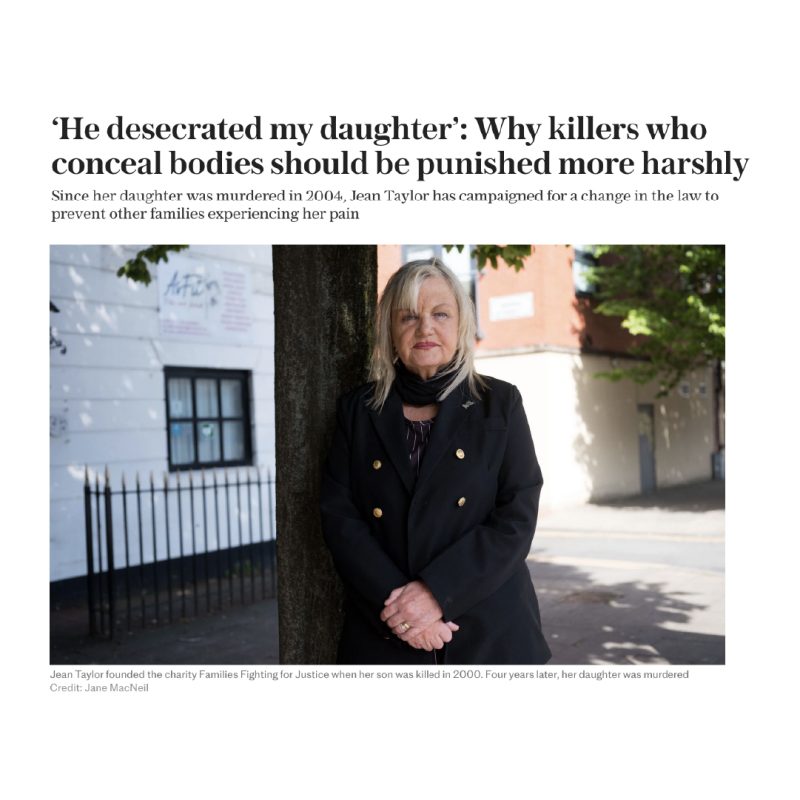
Families Fighting for Justice welcomes the recent national coverage highlighting Jean Taylor’s long-standing campaign for Chantel’s Law.
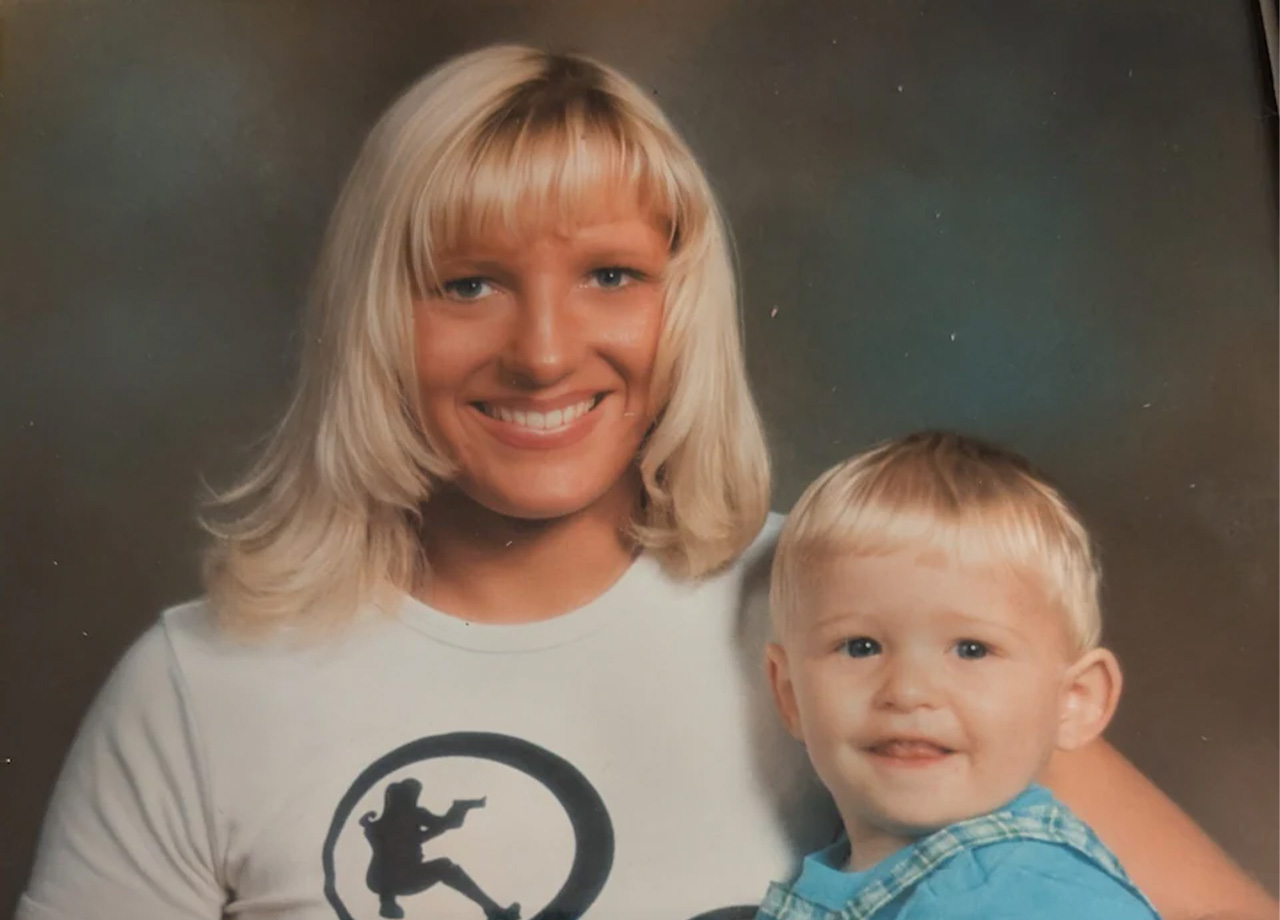
The article, published by The Telegraph, shares Jean’s deeply personal fight for justice following the murder of her daughter, Chantel Taylor, in 2004. Chantel was a much-loved daughter, mother and member of her community. Her life was taken in the most horrific circumstances, and her family were left not only grieving her death, but also living with the added trauma of never being able to properly lay her to rest.
For Jean and many other families, this is where the justice system continues to fall short.
When a killer takes a life and then goes on to desecrate, dismember or conceal the victim’s body, the suffering caused to the family is beyond words. It removes the chance of a proper goodbye. It destroys vital evidence. It leaves loved ones with unanswered questions that can last a lifetime.
Chantel’s Law calls for this additional harm to be recognised properly in law.
Why Chantel’s Law Matters
At present, the concealment or dismemberment of a body can be treated as an aggravating factor when sentencing for murder. However, campaigners believe this does not go far enough.
Families Fighting for Justice believes there should be a specific legal response when an offender desecrates, dismembers or conceals a victim’s body after murder. This is not only about punishment. It is about recognising the full horror of what has happened and the lifelong damage inflicted on the families left behind.
For too many families, the sentence handed down does not reflect the full extent of the crime or the suffering that follows.
Other Cases Show Why Change Is Needed
Chantel’s case is not the only case where a victim’s body has been dismembered or concealed after murder. Although these cases are rare, they cause unimaginable additional suffering for families and raise serious questions about how the justice system recognises that harm.
There have been several murder cases in the UK where dismemberment was proven, including the murder of Jeffrey Howe in 2009, the murder of 17-year-old Elizabeth Thomas in 2014, and the murder of Stuart Everett in 2024.
In each of these cases, the courts handed down life sentences with different minimum terms. This shows why families and campaigners are calling for greater clarity and consistency when offenders desecrate, dismember or conceal a victim’s body.
For families, this is not only about sentencing. It is about dignity, truth and the lasting trauma caused when a loved one is denied a proper resting place.
Jean Taylor’s Fight Continues
Jean Taylor founded Families Fighting for Justice after experiencing devastating personal loss. Over the years, she has supported countless families affected by homicide, while continuing to campaign for meaningful change within the justice system.
Her strength, determination and refusal to stay silent have helped bring national attention to issues that many grieving families face behind closed doors.
Chantel’s Law is part of that fight.
It is a call for Parliament, the justice system and wider society to recognise that the pain does not end with the murder. For families whose loved ones’ bodies are concealed or desecrated, the trauma continues every day.
Families Deserve Better
No family should have to fight this hard to have their loved one’s dignity recognised.
No family should be left feeling that the full truth has been hidden forever.
No family should be told, through sentencing, that what happened after the murder does not matter enough.
Families Fighting for Justice will continue to stand with Jean, with Chantel’s family, and with every family affected by homicide who believes the law must do better.
This campaign is about justice, dignity and recognition.
It is about ensuring that victims are not forgotten, and that families are not left to carry the weight of unanswered questions alone.
We will continue to fight for Chantel’s Law.
